
 中文
中文 English
Culture and Maintenance of Rose Garden
A rose, origin of China, is a woody perennial flowering plant of the genus Rosa, in the family Rosaceae, or the flower it bears.
There are over a hundred species and thousands of cultivars. They form a group of plants that can be erect shrubs, climbing or trailing with stems that are often armed with sharp prickles. Flowers vary in size and shape and are usually large and showy, in colours ranging from white through yellows and reds.
Most species are native to Asia, with smaller numbers native to Europe, North America, and northwestern Africa. Species, cultivars and hybrids are all widely grown for their beauty and often are fragrant. Roses have acquired cultural significance in many societies. Rose plants range in size from compact, miniature roses, to climbers that can reach seven meters in height. Different species hybridize easily, and this has been used in the development of the wide range of garden roses.
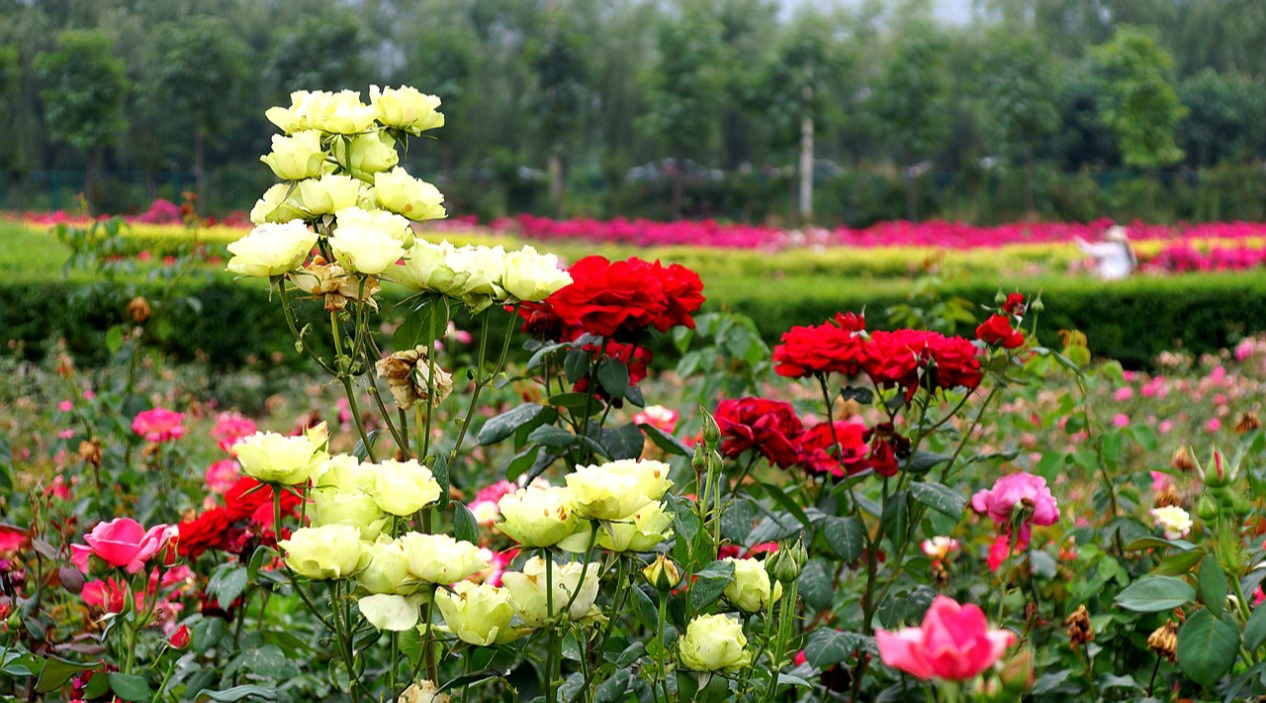
Characteristics
The growth of rose is not much demanded to the environment. It is hardy, tolerant of drought and poor earth. Moreover, it provides a good protection on soil and water.The rose requires positioned in full sun, drought tolerant, while not tolerant of waterlogging which may cause falling of the leaves and even death. Fertilized, porous, moist and well drained sandy soil is preferred. A dry condition of big difference between daytime and night may be beneficial to the growth. Better keep 4 hours a day in the sunlight. The suitable temperature ranges 12-28 degree, with lowest of -20 degree.
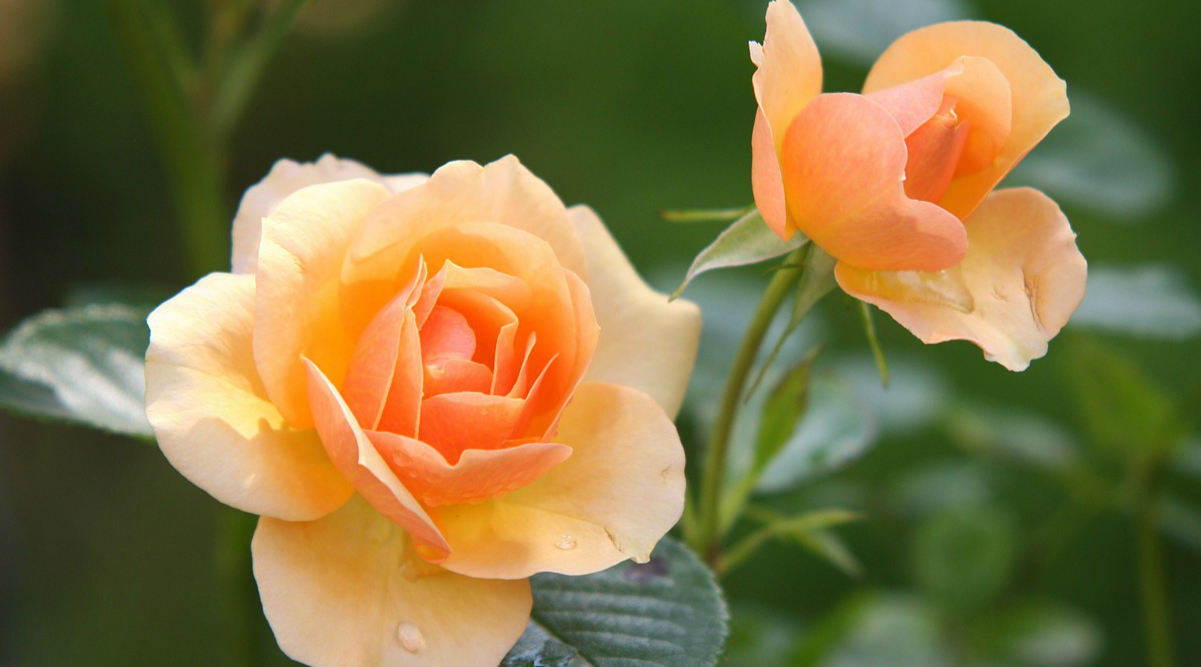
Culture
1. Preparing a site
Roses do best where they receive a minimum of 4-6 hours of direct sunlight daily. Roses prefer a well-drained, fertile, loamy soil at least two feet deep. Air movement through the foliage is desirable to keep it dry. Foliage that is moist for long periods is likely to become infected by disease organisms.
2. Planting
The best time is spring or autumn.Bare root plants should be presoaked in water for 24 hours. Plant them with the bud union (knob) an inch below the surface of the ground. The hole should be large enough to permit spreading out the roots without bunching them. Spread the roots in the hole and pack soil under, around, and over them. Water the plant thoroughly.
3. Watering
A constant moisture supply is vital to successful rose culture. Starting in early spring, roses require a minimum of one inch of water per week. Apply this amount at one time. Sandy soils will require more frequent watering. Overhead watering is desirable in early spring before growth starts. This watering will prevent the canes from drying. After growth has begun, apply the water directly to the soil or water early enough in the day so the foliage will dry before evening. Wet foliage is susceptible to diseases.4. Fertilizing
Applying well-rotted barnyard manure to rose beds in early spring is one of the best methods of fertilizing roses. This rotted manure adds both nutrients and organic matter to the soil. Dehydrated manure, bonemeal, and soybean meal also are good fertilizers. Because these materials decompose slowly, you should supplement them with an all purpose fertilizer or with one of the many available rose fertilizers. A fertilizer with a chemical analysis similar to 10-10-10 is desirable. Keep all manure and fertilizers at least six inches from the canes.
You may fertilize roses once monthly until August 1. Be sure you follow the manufacturer's directions. Careless use of fertilizers can be injurious to plants. A thorough watering after fertilization is recommended

Managing Roses Diseases and Insects
Many different diseases and insects attack roses. These pests vary in type and severity from area to area. You can control most of them effectively if you follow these general recommendations:- Buy plants that are free of diseases and insects.
- Keep your rose garden free of weeds, fallen rose leaves, and disease or insect-infested canes.
- Apply insecticides only as needed.
- Apply a fungicide weekly.
Three types of pesticides are used on roses: fungicides for diseases; insecticides for insects; and miticides for spider mites.
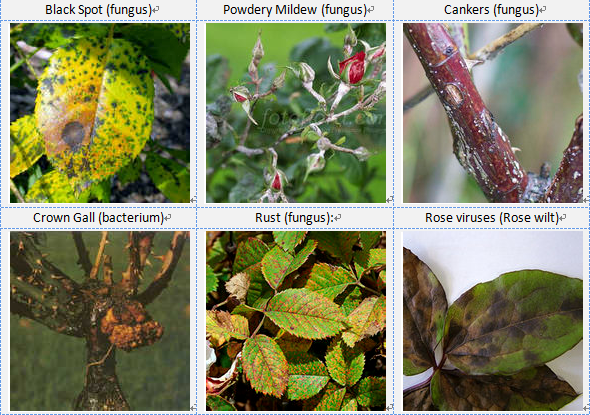
Knowing the Main Rose Diseases
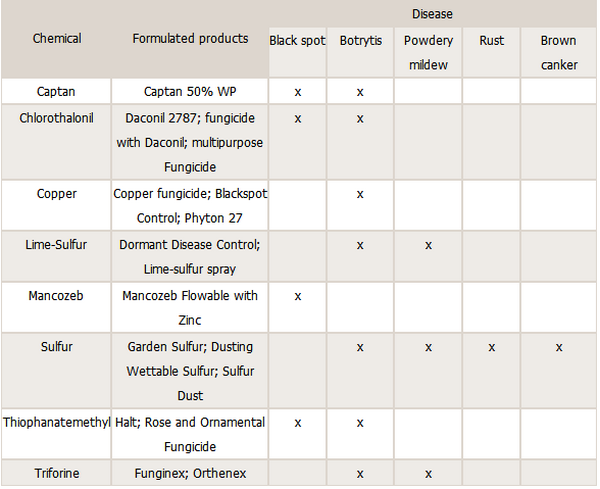
Some Chemicals used to treat various rose diseases
Knowing The Main Rose Insects

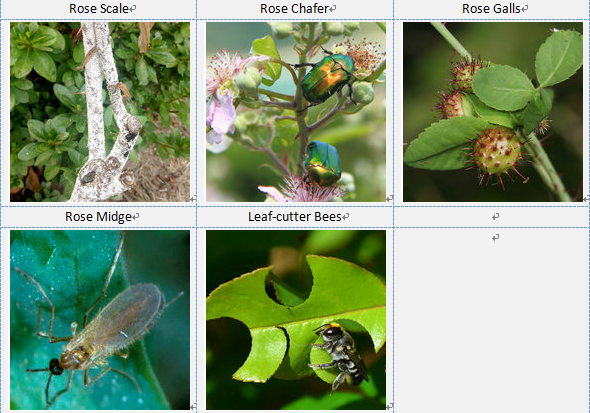
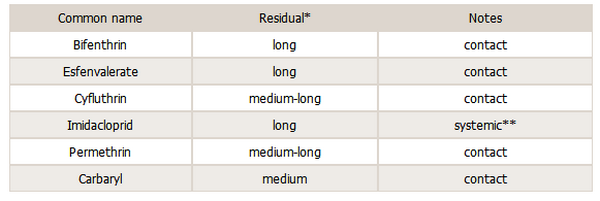
Some Active Ingredients Against Rose Pests
Contact Us

SHENZHEN GREENFIELD INDUSTRY CO., LTD.
Add:Liujin Square, Luohu District, Shenzhen City, China.
Email: info@greenfieldcn.com